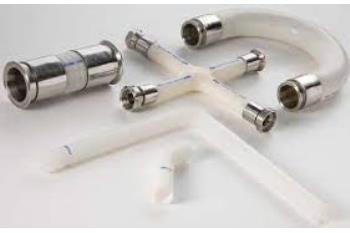
Flexible hoses for liquids suitable for food use
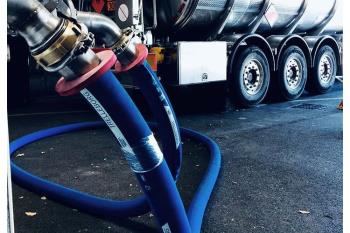
Flexible hoses suitable for the passage of food liquids such as: milk and dairy products, wine and spirits and derivatives.
Pipes suitable and certifiable according to ITALIAN, EUROPEAN AND AMERICAN REGULATIONS.
In WHITE NATURAL RUBBER, THERMOPLASTICS, POLYURETHANE, FLUORODERIVATIVES.
ATTENTION!
In the food and beverage sector, one of the most critical aspects to consider when choosing a tubing is undoubtedly the cleaning and sterilization process. This can be chemical ( CIP : cleaning-in-place) or thermal ( SIP : sterilization-in-place), i.e., through the use of steam.
In particular, with regards to CIP processes , the following are normally used:
- basic solutions (e.g. caustic soda) for the removal of fatty and protein particles;
- acidic solutions (e.g. phosphoric acid) for the removal of mineral deposits;
- oxidizing acids or other oxidizing products (nitric acid, peracetic acid, chlorine solution, hydrogen peroxide) for the removal of bacterial load.
The use of the SIP process aims to eliminate the bacterial load.
Tube selection & sterilization
Cleaning and sterilization operations are among the main factors responsible for the aging process of the materials present in the flexible hose structure, due to chemical attack and thermal stress, which lead to a progressive degradation of the physical and mechanical properties. For this reason, they become fundamental parameters to consider for a complete evaluation of the hose's suitability for a given application.
In fact, in most cases, the conveyed food product is less problematic than the cleaning process, which is chemically more aggressive and can significantly affect the life of the pipe in use.
It's common practice for companies working in the food industry to have defined and consolidated very specific cleaning and sterilization procedures that best suit their production systems. The purpose of this communication is solely to provide guidelines to help guide the selection of the most suitable polymer for the application.
Sterilization Technical Specifications
Below are the most common situations.
| Cleaning agent | Type of rubber | Concentration | Temperature |
| Hot water | EPDM, Butyl, NBR, Silicone, PFA, PTFE | Up to 95°C | |
| TPE | Up to 90°C | ||
| NR, NR/SBR, TPU | Up to 50°C | ||
| Steam | NR/SBR, NR | 100°C max 10' | |
| NBR, EPDM, Butyl | 130°C max 30' | ||
| SILICONE | 135°C max 30' | ||
| UPE | 100°C max 20' | ||
| PFA/PTFE | 130°C 30' | ||
| TPU | Not suitable | ||
| TPE | 120°C 10' | ||
| Caustic soda | NBR, NR, NR/SBR, Silicone, TPU | 1% | 80°C |
| EPDM, Butyl, TPE, UPE | 3% | 80°C | |
| PFA, PTFE | 3% | 80°C | |
| Nitric/phosphoric/peracetic acid | NR, NR/SBR, NBR, TPU | 1% | Only at Ta followed by washing with Ta water |
| EPDM, Butyl, TPE, Silicone, UPE | 1% | Ta | |
| 0.5% | 80°C | ||
| PFA/PTFE | 3% | 80°C | |
| Hydrochloric acid, hypochlorite | NR, NR/SBR, NBR, TPU | 200 ppm | Only at Ta followed by washing with Ta water |
| EPDM, Butyl, TPE, Silicone, UPE | 200 ppm | 80°C max 20' | |
| PFA/PTFE | 200 ppm | 80°C max 30' |
Further considerations
It should also be noted that the frequency of washing, increased variations in the percentage of chemical solution compared to those recommended, or an increase in the duration of the sanitization process can significantly reduce the life of the pipe.
For proper maintenance, we also recommend periodic inspections to verify the physical and mechanical condition of the pipe. For further information, please contact our technical office .
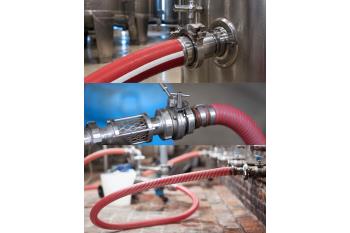
Tubes for oenology and derivatives
Flexible hoses for every stage of the production process in the wine production or beer or spirit production sector. all ...
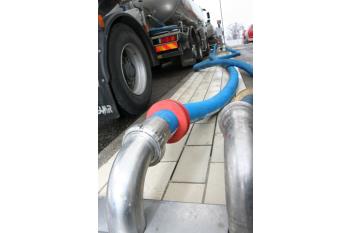
Flexible hoses for milk and derivatives
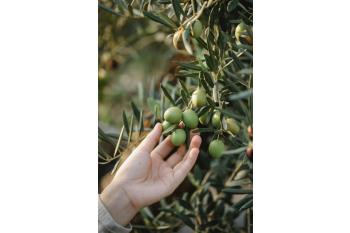
Tubes for extra virgin olive oil
Flexible hoses particularly suitable for the passage of extra virgin olive oil and in any case used for human consumption
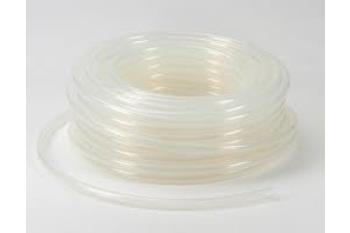
EXTRAFLEX FABUTHANE 54 POLYURETHANE HOSE
Flexible linear tube in food-grade polyurethane ether. produced in transparent colors on request. standards and declarat...
FOOD GRADE POLYETHYLENE PIPE - LDPE
Ldpe polyethylene pipes are normally used for their particular resistance to chemicals, therefore easily chemically ster...
FEP PIPE
Transparent semi-rigid perfluoroalkoxy ( fep ) flexible hose, intrinsically resistant to light, heat, aging and self-ext...
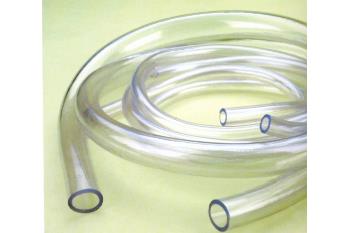
NON-TOXIC CRYSTAL TUBE
Transparent phthalate-free pvc tube. smooth inside and outside. very flexible, robust, resistant to abrasion, suitable f...
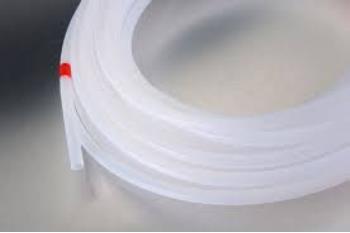
KYNAR FLEX HOSE - PVDF 2800
Hose made of kynar flex® 2800, polyvinylidene fluoride (pdvf), flexible copolymer intrinsically resistant to light, heat...
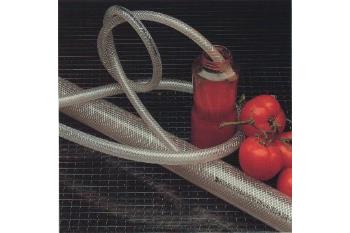
SPIDER TUBE CR
Plasticized pvc hose with polyester fiber reinforcement, for delivery of cooling liquids, chemical solutions, foods and ...
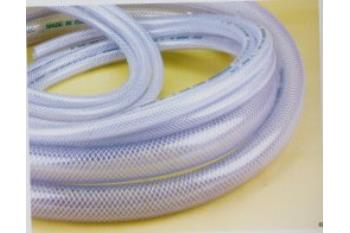
FOOD GRADE PVC HOSE
Flexible hose in transparent pvc mesh non-toxic. phthalate free with internal reinforcement in polyester fiber. suitable...
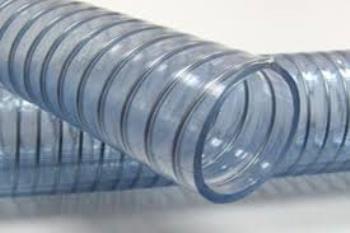
METAL BIO-PVC HOSE
Bio-metal pvc biovinil flexible hose first and only flexible pvc with bio-based plasticizer dow ecolibrium . it is an ea...
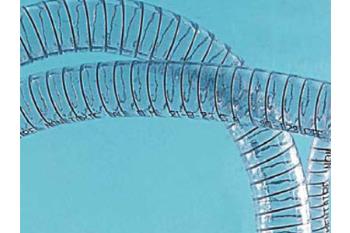
METAL PVC PIPE
Transparent pvc flexible hose with harmonic steel reinforcement spiral. smooth internal and external surface. resistant ...
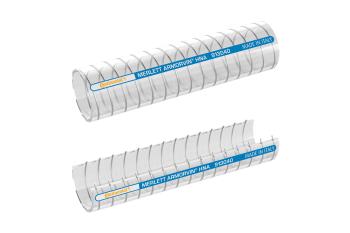
ARMORVIN HNA TUBE
Transparent plasticized pvc tube with built-in galvanized steel spiral. ideal for the suction and delivery of food liqui...
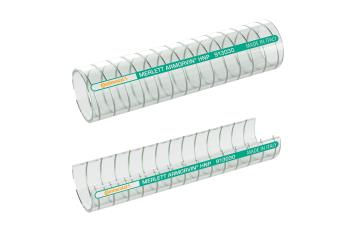
ARMORVIN HNP TUBE
Transparent plasticized pvc tube with built-in galvanized steel spiral. marking with green stripe. suitable for contact ...
ARMORVIN HNA PLUS code 913940
Plasticized pvc pipe with built-in galvanized steel spiral, for suction and delivery of food liquids and alcohol up to 2...
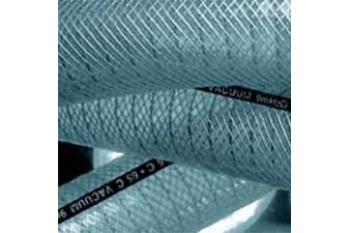
FDA MESHED FOOD GRADE PVC METAL HOSE
Plasticized pvc pipe with two layers and built-in galvanized steel spiral polyester fiber reinforcement, for the suction...
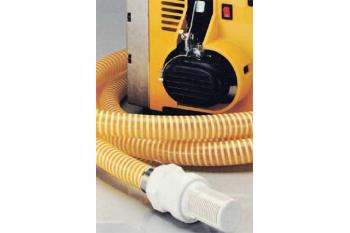
LOUISIANA TUBE
Flexible pvc hose with rigid shock-proof and crush-proof pvc reinforcement spiral. resistant to atmospheric agents and m...
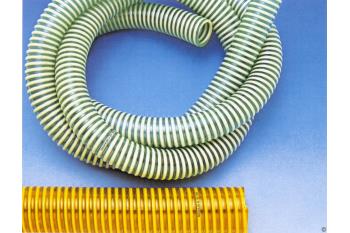
LIQUID HOSE/P
Flexible pvc hose with rigid shock-proof and crush-proof pvc reinforcement spiral. resistant to atmospheric agents and m...
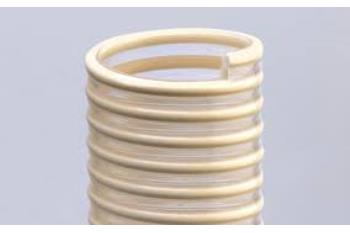
ANTISTATIC LIQUID/PU FOOD HOSE
Transparent pvc hose. smooth inner and outer surface. underlayer in food grade polyurethane based on ether with reinforc...
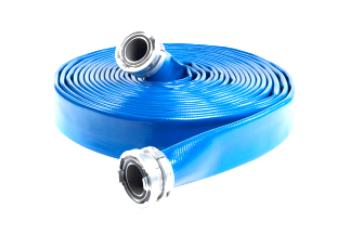
ACQUAFLAT/PU 17/12 bar for drinking water
Specially designed for the transfer of drinking water in long pipelines, ideal for emergency delivery or civil protectio...
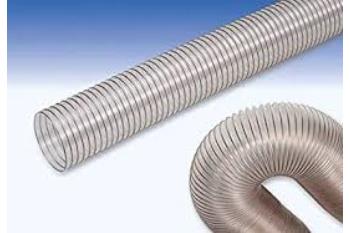
ANTISTATIC FOOD GRADE POLYURETHANE TUBE ...
Applications: potentially explosive area flexible hose for abrasive powder, bulk material, granules and for gas food in...
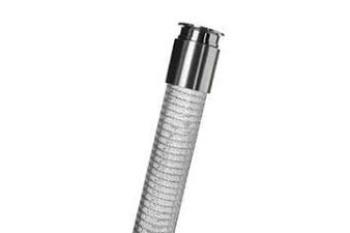
LIQUID/PU FOOD HOSE
Transparent flexible pvc hose. smooth internal and external surface. tube in ether-based food-grade polyurethane with iv...
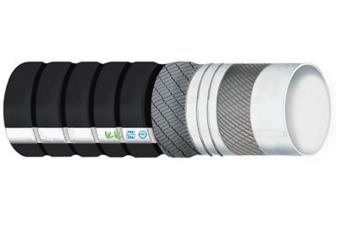
ABRASIVE HOSE/10/SPO-BN FOOD GRADE - delivery
Flexible hose for transferring abrasive food products such as cereals, feed, dry seeds which generates high wear of the ...
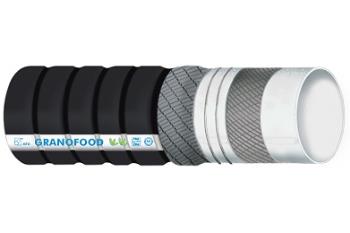
ANTISTATIC FOOD ABRASPIR HOSE
Flexible rubber hose suitable for pressurized pneumatic transport of powders and granules for plastic moulding, flours, ...
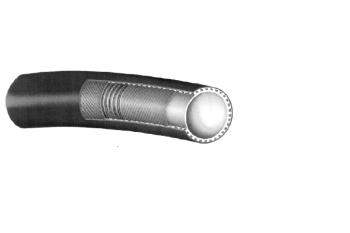
ABRASPIR/PU FOOD ANTISTATIC HOSE
Flexible rubber/food-grade polyurethane hose suitable for the pneumatic transport of powders and granules for plastic mo...
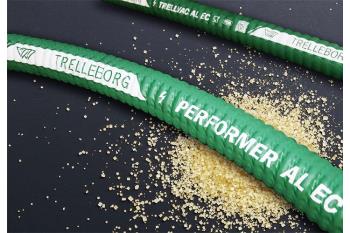
PERFORMER AT THE EC
Flexible rubber hose for hydraulic suction or discharge of highly abrasive materials, for quarry and mines. ideal for su...
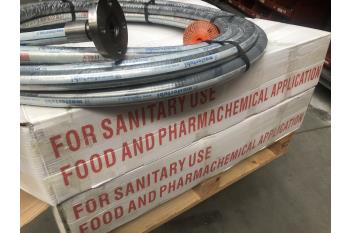
SPIRAL PIPEPOLICHIM/MFA/16
Hose compliant with ec reg. 1935/2004 and 2023/2006/ec (gmp). the production cycle does not use animal derivatives, phth...
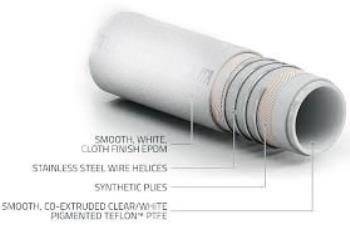
SPIRALPOLICHIM/SD/16 EPDM/PTFE HOSE
Hose designed according to en 12115 for the suction and delivery of food, cosmetic, pharmaceutical, chemical and solvent...
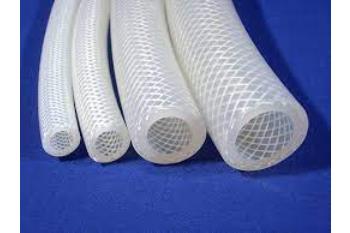
PHARMACEUTICAL GRADE FOOD GRADE PLATINUM ...
Platinum silicone hoses produced by extrusion with a polyester braid woven inside the hose. applications: suitable for t...
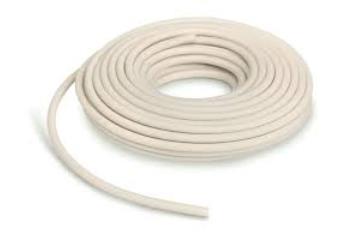
VENABIO PUMP
Tpv thermoplastic vulcanized hose with high biocompatibility, performance and chemical resistance for long-lasting pumpi...
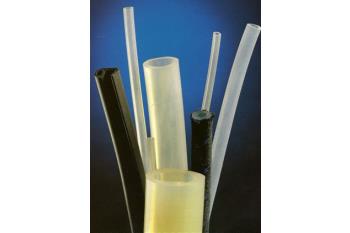
FOOD GRADE SILICONE HOSE
Silicone is a soft and transparent elastomer that can be extruded into many diameters. it is possible to load its compou...
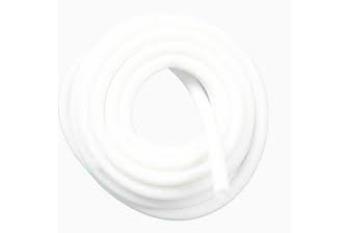
ASEPTISIL VEIN TUBE
Antimicrobial silicone hose composed of 100% material that guarantees the integrity and protection of the entire structu...
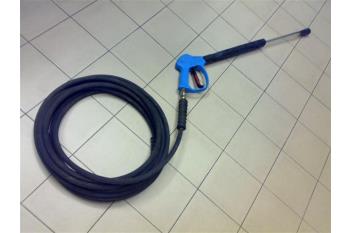
HOSE FOR PRESSURE WASHERS
Flexible rubber hose with double metal braid incorporated for reinforcement. smooth internal surface and external canvas...
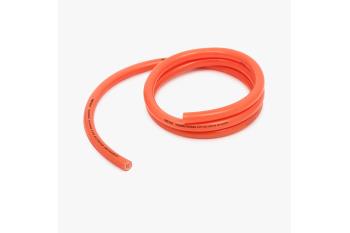
VEIN TUBE TECHNOSIL PLATINUM H-PTV orange
The vena®technosil platinum h-ptv tube is particularly suitable for the transport of liquid or semi-liquid fluids in the...
VITOSIL HOSE
Chemical resistant silicone hose with fkm inner layer for aggressive media. it is particularly suitable for the transpor...
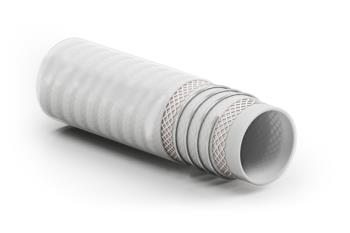
VENAFLON HF TUBE
Chemical-resistant silicone hose with pfa inner layer compatible with highly aggressive chemicals.applications it is par...
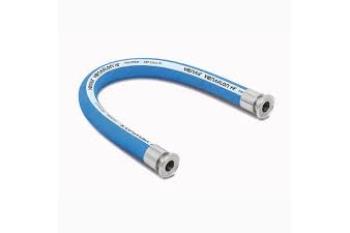
VENAFLON HR TUBE
Applications venaflon hr is an excellent solution for withstanding dynamic stresses during the transfer of high-purity f...
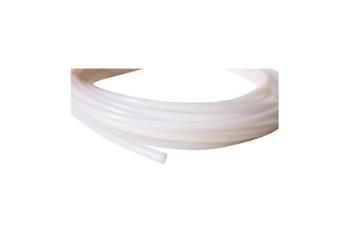
TEFLON - PTFE TUBE
Thin-walled tube in injection-extruded ptfe, resistant to all chemical agents and non-toxic. translucent white color pol...
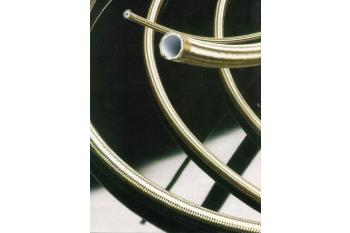
STAINLESS STEEL BRAIDED SMOOTH TEFLON-PTFE ...
Injection-extruded sintered ptfe tube, resistant to all chemicals and non-toxic, food-grade blend. excellent resistance ...
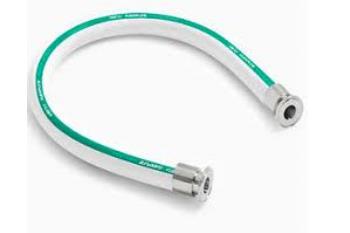
FLEXPURE VEIN TUBE
Ptfe hose particularly suitable for conveying liquid or semi-liquid fluids in the food, cosmetics, chemical, and pharmac...
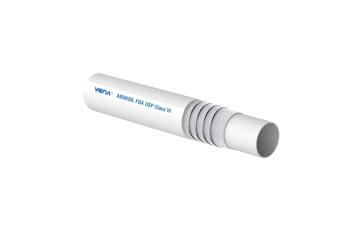
VENA ABRASIL FOOD TUBE white
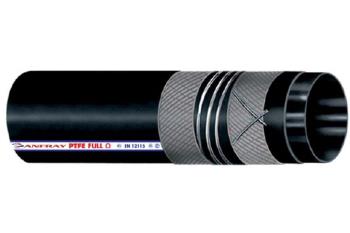
SPIRALPOLISHIM/16-PTFE
Maximum safety during suction, discharge and filling operations. flexible suction and discharge hose designed for handli...
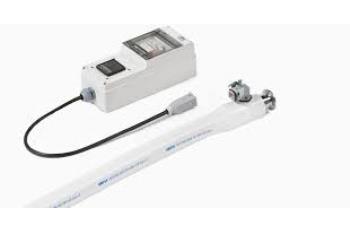
THERMO-ADJUSTABLE SILICONE HOSE
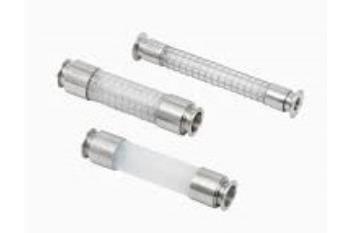
VENA TUBE VIEW
This product is specifically designed for the pharmaceutical and food industries. it is recommended for installations wh...
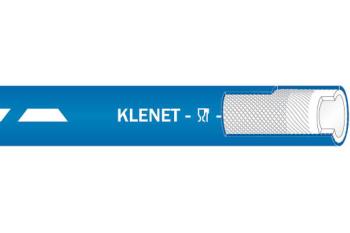
KLENET RUBBER HOSE TRELLEBORG
Food quality nbr blend rubber hose according to the eec guide, american fda directive, and german bgvv directive on food...
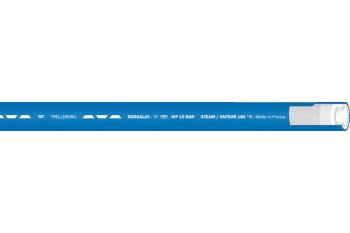
BERGALAV. PIPE
Flexible rubber hose suitable for cleaning, with hot water, food industry processing plants with possible occasional use...
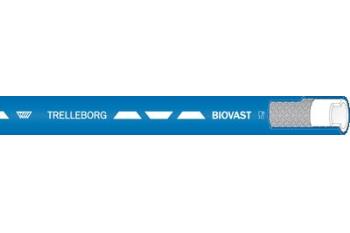
BIOVAST TRELLEBORG RUBBER HOSE
Food grade nbr compound rubber hose - eu regulations guide n° 1935/2004,2023/2006 - american fda directive n° 21 cfr 177...
PURE AQUA TUBE
Technical description special polymer tube, compliant with acs standards, for the transfer of drinking water, white, smo...
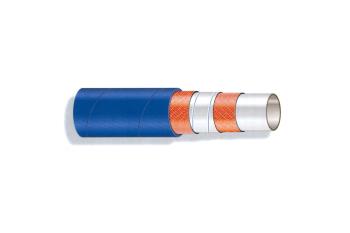
MULTIFOOD TUBE - AND MULTIPURPOSE
Multipurpose hose suitable for the delivery or suction of food products. transfer of milk, wines, musts, fruit juices, w...
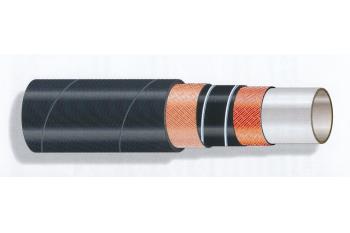
ANTISTATIC MULTIFOOD-F-EC HOSE
Rubber hose specifically designed for the transfer of fatty and non-fatty food products both in delivery and suction. su...
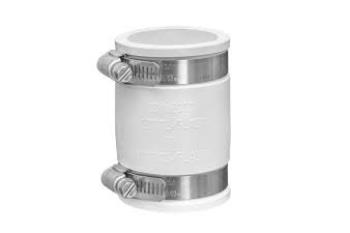
WHITE FOOD GRADE RUBBER TUBE
Sleeves in white natural rubber, nr base, food grade, suitable for free gravity discharge passage of abrasive powdery fo...
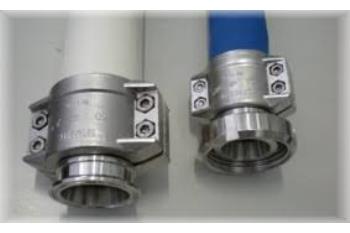
FLEXIBLE FOOD HOSES CONNECTED
Hoses for dispensing food fluids we make customized fittings on flexible rubber hoses for solid and liquid, dry, fat or ...